Family health
Back to school health checklist: what every Irish parent should know
6 min read · By BlackrockMeds
The transition from the relaxed days of summer back to the structured routine of the school year can be a busy, and sometimes stressful, time for families. Amidst the rush of buying uniforms and stationery, it's crucial not to overlook your child's health and well-being. A proactive approach can help ensure a smooth start to the academic year and minimise sick days. Here's a practical checklist to help you prepare.
1. Establishing a healthy sleep routine
During the summer, bedtimes often slip, and a sudden shift back to early mornings can leave children exhausted, impacting concentration and mood. Start adjusting sleep schedules a week or two before school begins, move bedtime and wake-up times earlier by 15 to 30 minutes every few days. Keep the bedroom cool, dark and quiet, and limit screen time for at least an hour before bed, as blue light interferes with sleep hormones.
2. Nutrition for growing minds and bodies
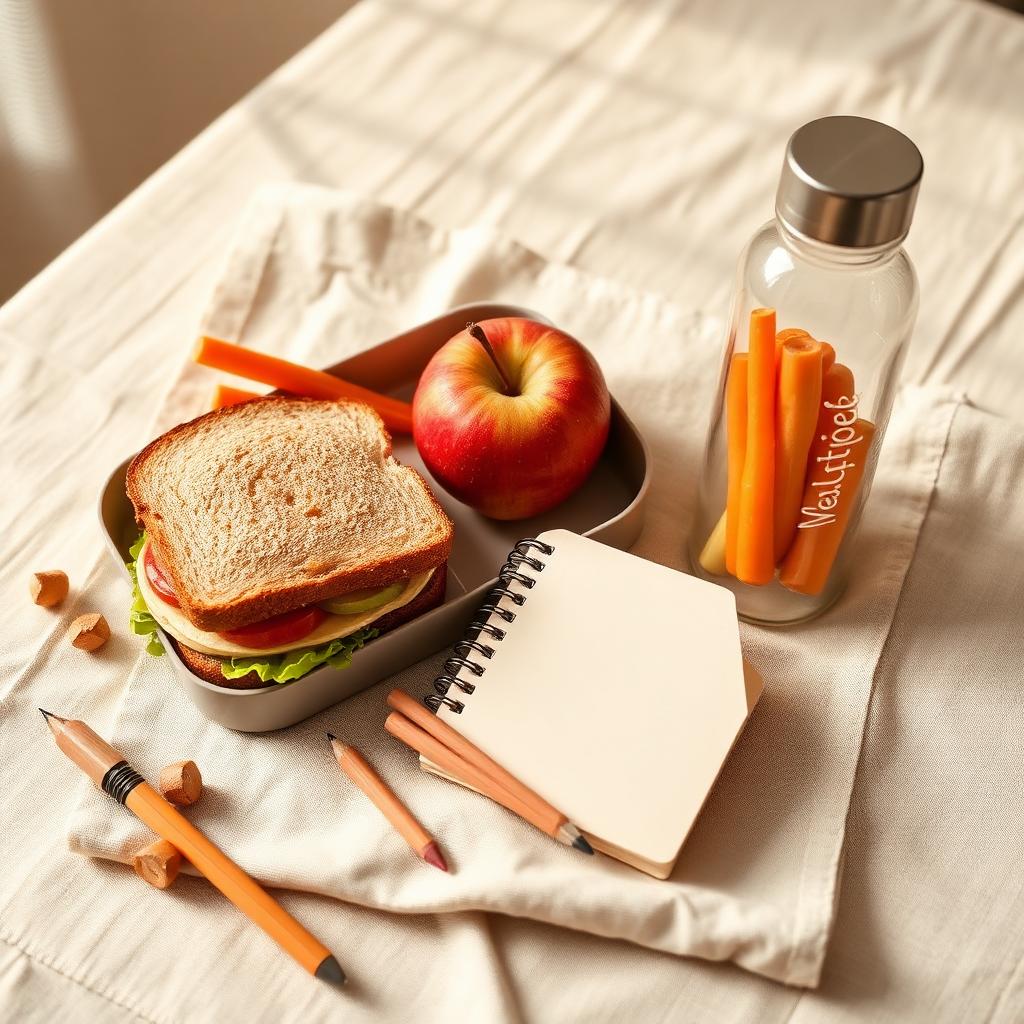
A balanced diet is essential for energy, focus and a strong immune system. Don't skip breakfast, porridge with fruit, or eggs on wholemeal toast, provides sustained energy. Aim for lunchboxes with a balance of protein, whole grains and fruit or vegetables, and avoid highly processed snacks and sugary drinks. Provide a reusable water bottle and encourage regular sips throughout the day, dehydration leads to fatigue and headaches.
3. Boosting immunity for the classroom
Schools are notorious breeding grounds for germs. Reinforce handwashing, especially before eating and after using the toilet, and teach children to cough or sneeze into their elbow. A balanced diet is the best source of nutrients, but during the winter months a vitamin D supplement is recommended for all children in Ireland. If your child is a picky eater, a daily multivitamin may be beneficial, ask your pharmacist for advice on appropriate options.
Stock up on kids' vitamins and immunity essentials. Shop family health →
4. Managing head lice (nits)
Head lice are a common nuisance in primary schools, spread through head-to-head contact, not a sign of poor hygiene. Check your child's hair regularly, especially behind the ears and at the nape of the neck. If you find live lice, treat immediately using a lotion or spray available from the pharmacy, follow instructions carefully, and check all family members. Tying long hair back can help reduce transmission.
5. Addressing anxiety and mental well-being
The return to school can cause anxiety for some children, a new school, moving up a year, or simply adjusting to the routine. Encourage open communication, ask how they're feeling and listen without judgment. Establish a predictable after-school routine to provide a sense of security. If anxiety is severe or persistent, speak to their teacher or a healthcare professional.
FAQ: Back to school health
Should my child take a daily multivitamin? If they eat a varied balanced diet, it may not be necessary, but a vitamin D supplement is recommended during winter. What's the best way to treat a cold? Most colds are viral and resolve on their own with rest and fluids; over-the-counter remedies can help manage symptoms, always check with your pharmacist that a product is suitable for your child's age. How heavy should a school bag be? No more than 10 to 15% of your child's body weight, worn with both shoulder straps to distribute the weight evenly.
Wishing your family a healthy term ahead